






















What Is Corrugated Cardboard?
 A Detailed Guide to Corrugated Board and Its Uses
If you’ve ever packed, shipped or received a product in a brown box, you’ve handled corrugated cardboard. It’s everywhere in warehousing, retail and e-commerce… and for good reason.
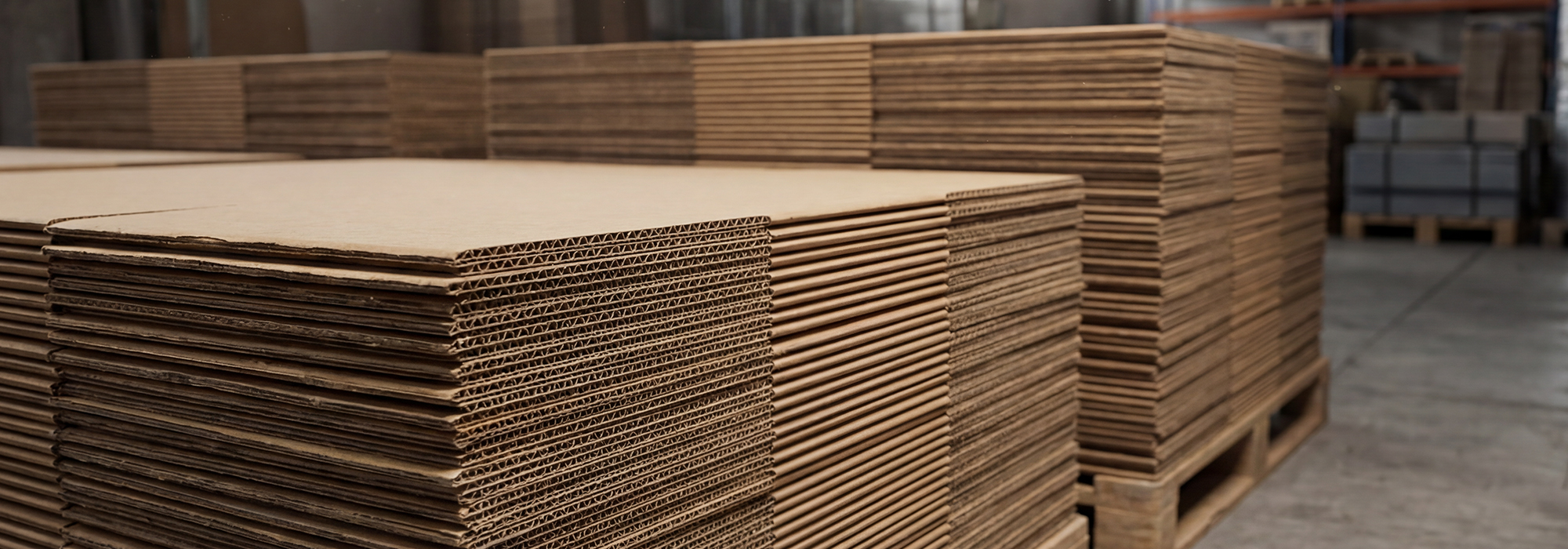
Corrugated cardboard is an engineered corrugated board made from three bonded layers of paper: an outer liner, a fluted medium and an inner liner. That fluted core isn’t just there for looks. It forms a series of vertical columns that give the board its compression strength, stacking capacity and impact resistance.
What most people casually call “cardboard” in a shipping context is almost always corrugated board. The layered construction is what allows cartons to handle warehouse stacking, pallet loads and long-distance transit without collapsing under pressure.
Understanding how it’s built (and how it performs) makes it far easier to choose the right packaging materials for the job.
What Is Corrugated Cardboard Made Of?
At its core, corrugated cardboard is made from paper – but not just any paper.
It typically consists of:
- A fluted sheet known as corrugated paper or “the medium”.
- A flat sheet called linerboard bonded to each side.
These components are manufactured from heavy paper pulp, often using durable kraft paper. The result is a strong yet lightweight corrugated material suitable for a wide range of packaging applications.
The Three-Layer Structure |
Most standard corrugated board uses:
These different layers work together to create structural support. The flat liners provide surface strength and printability, while the fluted core forms a series of air columns that improve stacking strength and absorb impact. This combination of two materials (flat linerboard and fluted medium) is what separates corrugated board from simple paperboard used in cereal boxes or retail folding cartons. |
Single Face, Single Wall and Beyond |
There are several variations of corrugated construction. A single-face board consists of one liner bonded to fluting. It is commonly used as a protective wrap for fragile items. Single-wall corrugated board uses one layer of fluting between two liners. This is the most common structure for shipping cartons and general-purpose boxes. For heavier applications, manufacturers use double-wall and triple-wall constructions. These add additional fluted layers and liners, creating a thicker board with significantly higher crush resistance and load-bearing capacity. Each configuration is designed to suit specific packaging needs, from lightweight retail packaging to heavy industrial equipment shipped in harsh conditions. |
Corrugated Board Grades
Azapak cartons are manufactured using several corrugated board grades to suit different load weights, stacking conditions and transport requirements.
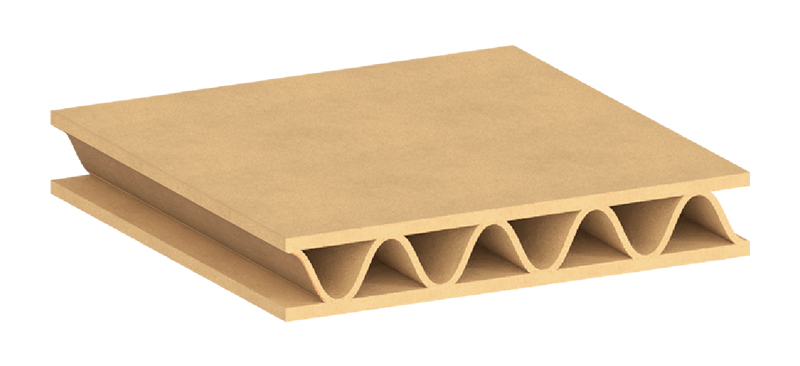
Single Wall BoardSingle wall board is the most economical option in our carton range. It provides dependable protection for a wide variety of lightweight to medium-weight products and is commonly used for general warehouse packing and everyday shipping. |
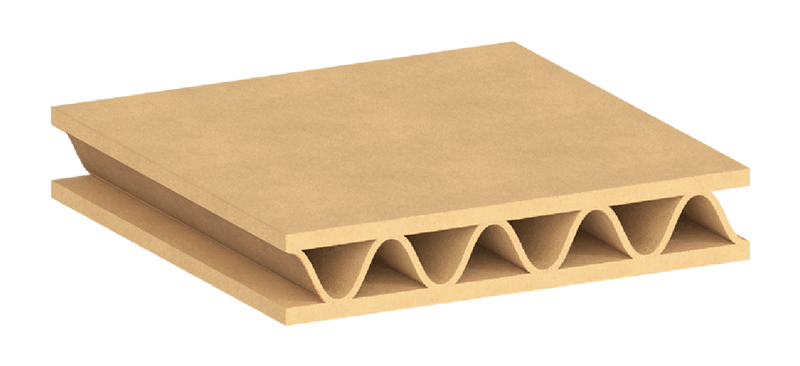
Heavy Duty Single Wall BoardHeavy duty single wall board is produced using virgin kraft liners for improved strength and moisture resistance. It is well suited to heavier items or storage conditions where cartons may be exposed to longer stacking periods or variable environments. |
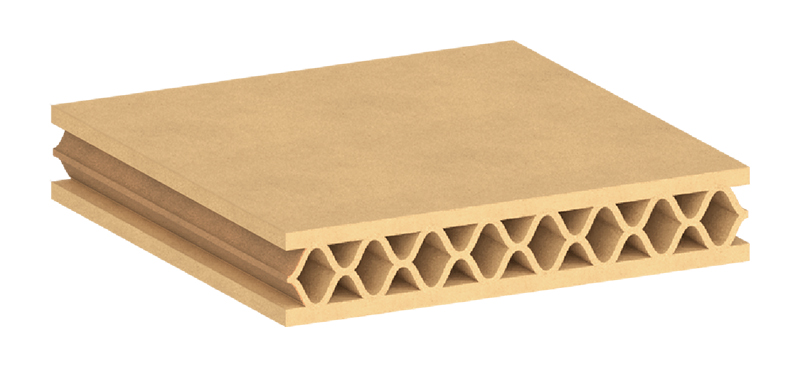
Twin Cushion Wall BoardTwin cushion wall board includes a second corrugated layer to increase rigidity and cushioning performance. It is typically used when shipping heavier or fragile items that benefit from additional protection in transit. |
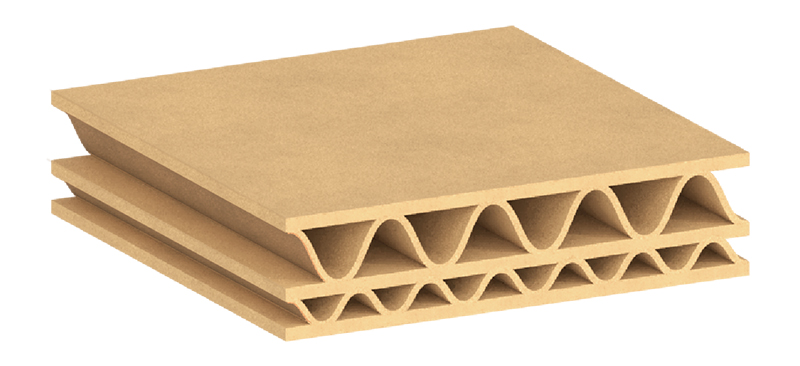
Double Wall BoardDouble wall board includes two layers of corrugated cardboard for maximum strength and product protection. It is typically used for heavier items, export shipments or situations where cartons must withstand higher stacking loads during storage and transport. |
Virgin and Recycled Cardboard Types
Azapak cartons are manufactured using both virgin fibre and recycled fibre depending on the strength and performance required.
Virgin Cardboard |
Virgin cardboard uses new paper fibres and provides higher strength and better moisture resistance. It is commonly used for heavier loads, export cartons and applications where additional durability is important. |
Recycled Cardboard |
Recycled cardboard is produced from recovered paper fibres and is widely used for standard shipping cartons. It offers reliable everyday performance while supporting more environmentally efficient packaging outcomes. |
Understanding the Three Layers of Corrugated Board
To properly understand what corrugated cardboard is used for, it helps to look closely at how its structure delivers performance.
Outer and Inner Liners – The Structural Shell
The outer layer and inner layer are made from flat linerboard. These surfaces:
- Provide durability and abrasion resistance.
- Enable branding and print for retail packaging.
- Protect against dust and minor surface damage.
- Contribute to overall crush resistance.
When you look at the inside of a box, you are seeing the liner. What you do not see is how it bonds to the fluted core beneath to create strength.
The Fluted Medium – Where Strength Comes From
The fluted centre sheet is the backbone of corrugated board. The arch shape of the flute profiles creates vertical columns. These columns:
- Improve edge crush performance.
- Increase stacking strength.
- Absorb shock during movement in transit.
- Help protect valuable items inside the box.
This design distributes weight evenly across the surface, which is critical when cartons are stacked in a warehouse or placed on pallets for shipping.
Edge Crush, Flat Crush and Performance Ratings
Corrugated board strength is measured using specific tests, including:
- Edge Crush Test, commonly referred to as edge crush.
- Flat crush resistance.
- Overall crush resistance and stacking strength.
These values are often printed on the box maker’s certificate, also known as the box certificate, located on the bottom flap of many corrugated cartons.
The certificate provides information about board grade and performance limits, helping businesses select suitable packaging for stacking multiple cartons or shipping heavy loads.
A higher edge crush rating generally means the board can withstand greater vertical compression before failing. This is particularly important when wrapping multiple pallets for storage or long-distance distribution.
Flute Profiles Explained: C, B, E, F and More
Not all corrugated board is the same thickness. The height and spacing of the fluted medium are defined by flute profiles.
Common flute types include:
C FluteC flute is one of the most widely used profiles. It offers a good balance of cushioning and stacking strength, making it suitable for general shipping material and standard corrugated boxes. |
B FluteB flute has a lower flute height but more flutes per linear foot. It provides strong crush resistance and is often used for retail packaging and die-cut cartons. |
E FluteE flute is thinner and smoother. It is commonly used where a high-quality print finish is required, such as point-of-sale displays and branded packaging. |
F FluteF flute is more niche and even thinner. It’s used in specialised retail or lightweight packaging applications. |
Double Wall and Triple Wall Combinations
For heavier loads, manufacturers combine flute types.
- BC flute combines B flute and C flute layers for added strength.
- EB flute combines E flute and B flute for improved printability with added structural support.
- Double-wall board contains two layers of fluting and three liners.
- Triple wall board contains three layers of fluting and four liners, offering maximum strength for heavy items and industrial equipment.
These different combinations allow businesses to match board performance with product weight and packaging needs.
What Is Corrugated Cardboard Used For?
Corrugated cardboard is used across virtually every industry.
Its primary function is to protect products during storage and transport. Corrugated containers are designed to:
- Prevent movement during transit.
- Protect against dust and minor impacts.
- Withstand stacking in warehouses.
- Maintain structural integrity through the supply chain.
Common applications include:
- E-commerce shipping cartons.
- Retail packaging.
- Industrial equipment packaging.
- Moving and storage boxes.
- Palletised freight.
From lightweight products to heavy machinery parts, corrugated board provides a cost-effective and reliable packaging solution.
Its ability to offer extra protection without excessive weight makes it ideal for transporting goods to their final destination safely.
Strength Ratings and Measurement Terms Explained
When selecting corrugated board, strength ratings matter.
Key performance indicators include:
Edge Crush Test
This measures how much vertical force the board can withstand before collapsing. It directly affects stacking strength.
Flat Crush
This measures resistance to pressure applied to the surface of the board.
Square Metre and Linear Foot Considerations
Board pricing is often calculated by square metre, while flute density may be referenced per linear foot.
Understanding these measurements helps procurement teams compare material performance and cost-effectively. Selecting a board grade that matches product weight and stacking requirements ensures cartons remain secure without over-specifying material.
Environmental Impact and Sustainability
Corrugated board is widely regarded as one of the more sustainable packaging materials available.
It is predominantly paper-based and recyclable through standard recycling streams. Many corrugated board manufacturers incorporate recycled fibre into test liners and medium, reducing environmental impact.
Because it is made from renewable resources and is easily recoverable, corrugated packaging plays a key role in circular economy systems.
Businesses looking to reduce environmental impact often choose paper-based corrugated cartons over plastic alternatives where suitable.
How to Choose the Right Corrugated Board for Your Packaging Needs
Choosing suitable corrugated cardboard depends on several factors:
Product Weight
Lightweight products may only require single-wall construction. Heavy items may require double-wall or triple-wall for adequate crush resistance.
Storage Conditions
If goods will be stacked for extended periods in a warehouse, higher edge crush ratings may be required.
Transit Risk
Long-distance shipping increases exposure to vibration and compression. Thicker flute profiles or double-wall construction may be more appropriate.
Retail Presentation
For retail packaging, E flute or thinner board may offer better print quality while maintaining sufficient strength.
Selecting the correct board grade ensures products remain protected while avoiding unnecessary material costs.
Our Corrugated Cardboard and Carton Range
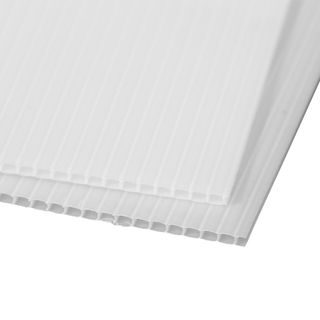
Azapak supplies corrugated cardboard sheets and cardboard cartons designed for warehouse, retail and industrial use. Whether you need flat board for separation and protection, or pre-formed cartons ready for despatch, our range covers multiple board grades and sizes.
Browse the categories below to find the right solution for your operation.
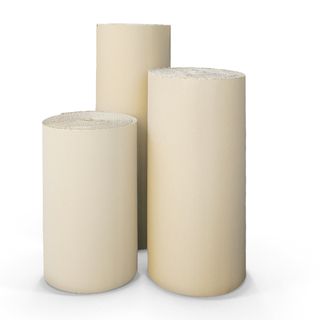
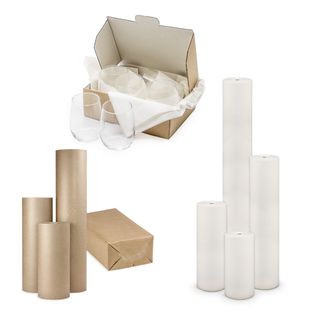
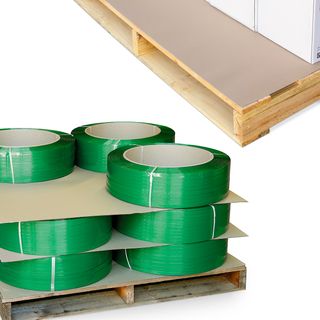
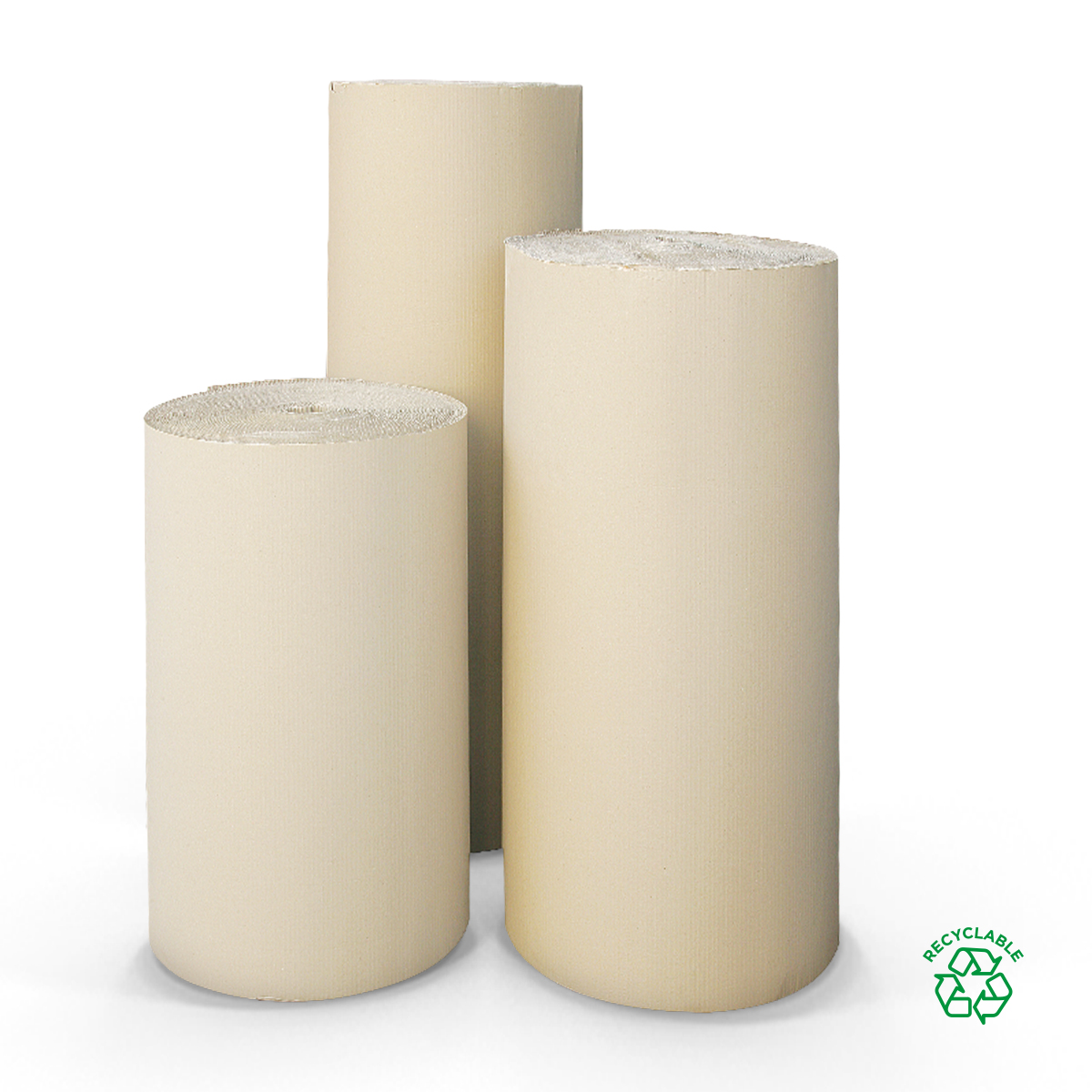
Corrugated Cardboard RollsOur corrugated cardboard range includes single-wall and heavy-duty board formats suitable for layer pads, pallet separation and protective wrapping. Available in various thicknesses and sheet sizes, these boards provide cost-effective surface protection and stacking support across warehouses and distribution centres. Designed for durability and easy handling, they are ideal for protecting goods during storage and transit. |
 |
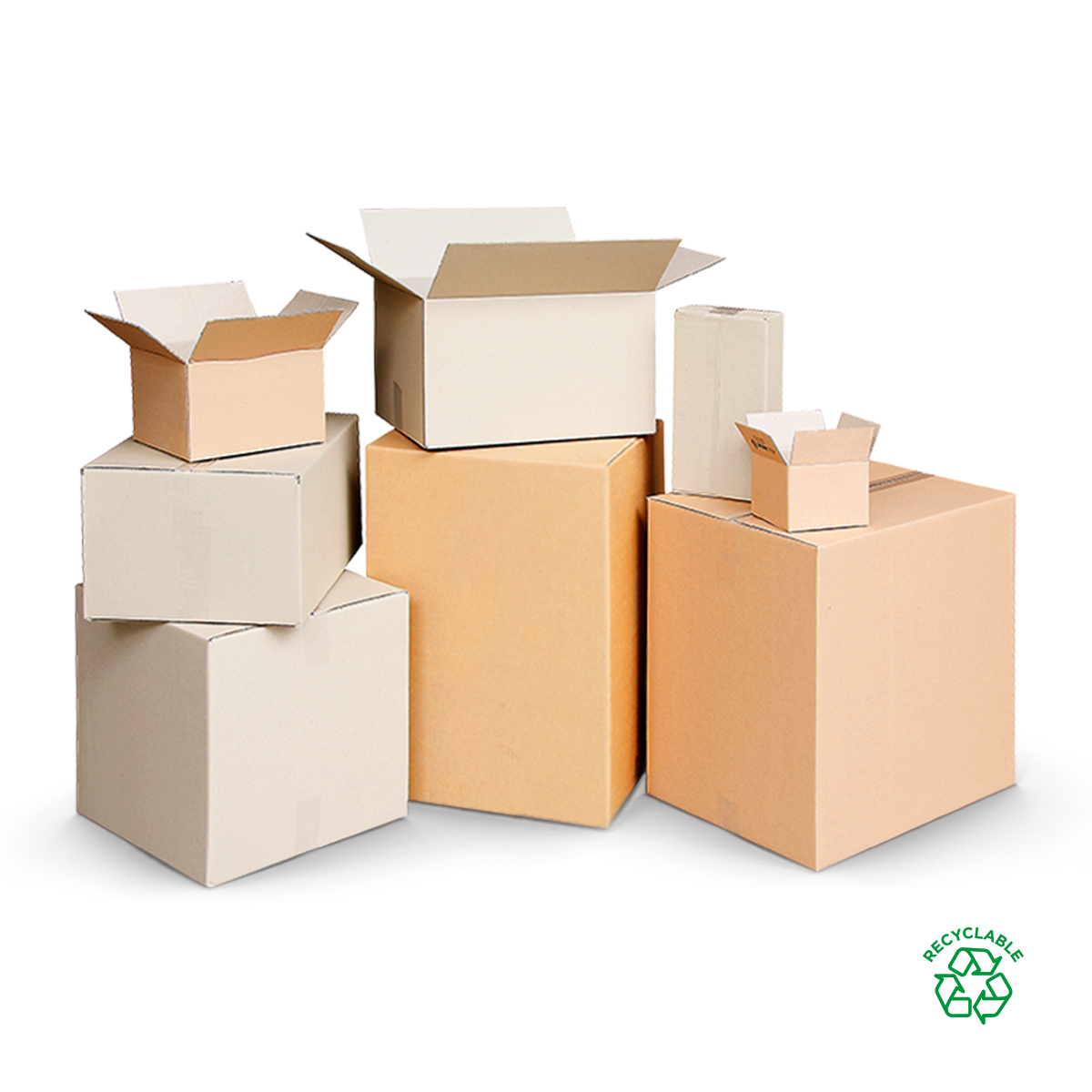 |
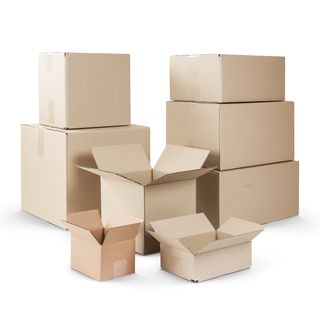
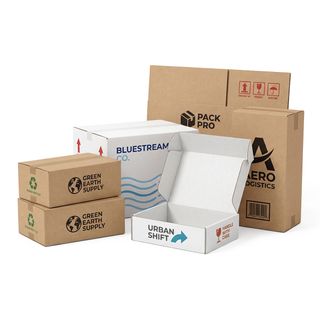
Cardboard Cartons for Shipping and StorageOur cardboard cartons category includes a wide range of standard shipping boxes suited to e-commerce, retail and industrial freight. From lightweight cartons for everyday despatch to stronger double-wall options for heavier loads, each box is built from reliable corrugated board engineered for crush resistance and stacking strength. Available in multiple sizes to suit common freight and pallet configurations. |
Corrugated Board: The True Hero of the Shipping World
Corrugated cardboard might look simple from the outside, but it’s doing a lot of work once your cartons are stacked, wrapped and on the move.
From single-wall cartons used in high-volume e-commerce to triple wall constructions protecting heavy industrial equipment, corrugated board scales with the application. Flute profile, liner grade and wall configuration directly influence stacking strength, crush resistance and overall durability.
Choosing the right board isn’t just about picking a box that fits. It’s about matching structural performance to product weight, storage time and transport risk.
When specified correctly, corrugated packaging delivers reliable protection, efficient material use and strong environmental credentials in one practical solution.
For businesses moving stock through warehouses, retail networks or distribution centres, corrugated board remains the benchmark shipping material for strength, cost efficiency and versatility.